
2026 ROCKY MOUNTAIN CHAPTER AVS SYMPOSIUM
Thursday, September 17, 2026
DoubleTree by Hilton Hotel – Westminster, CO
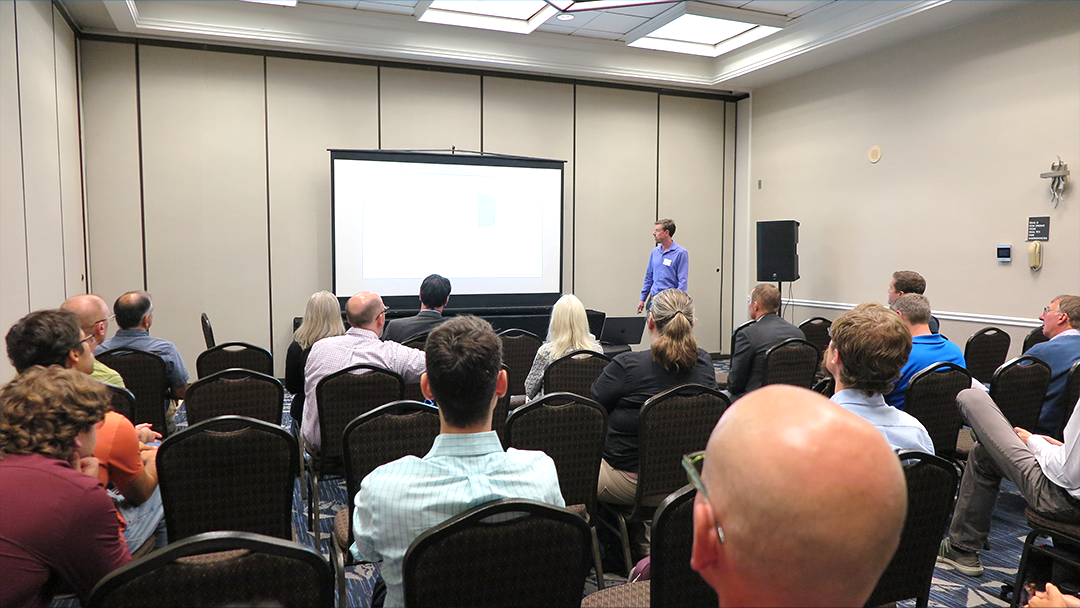
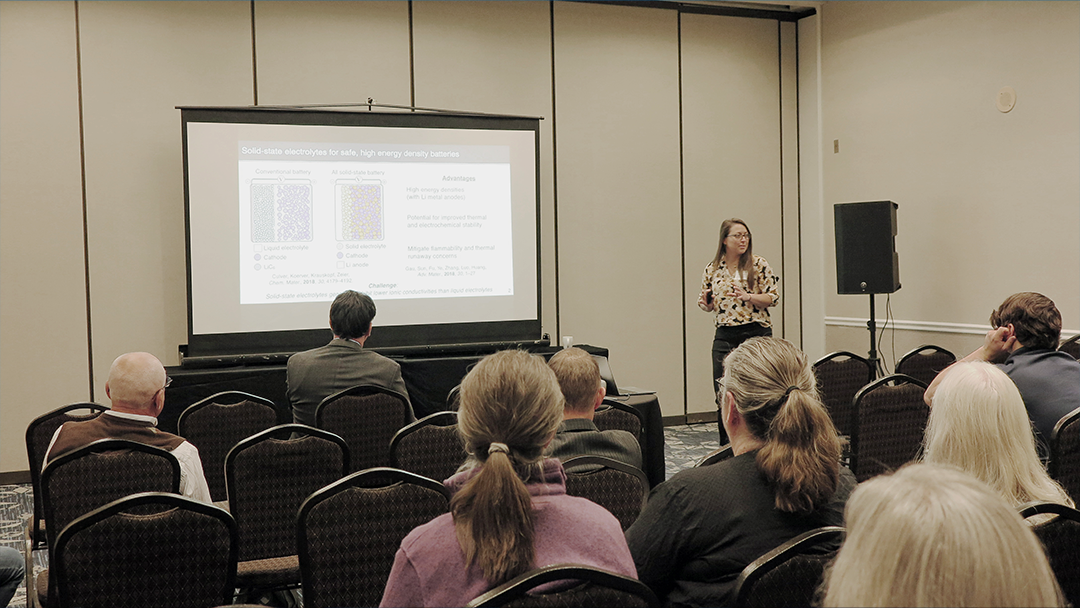
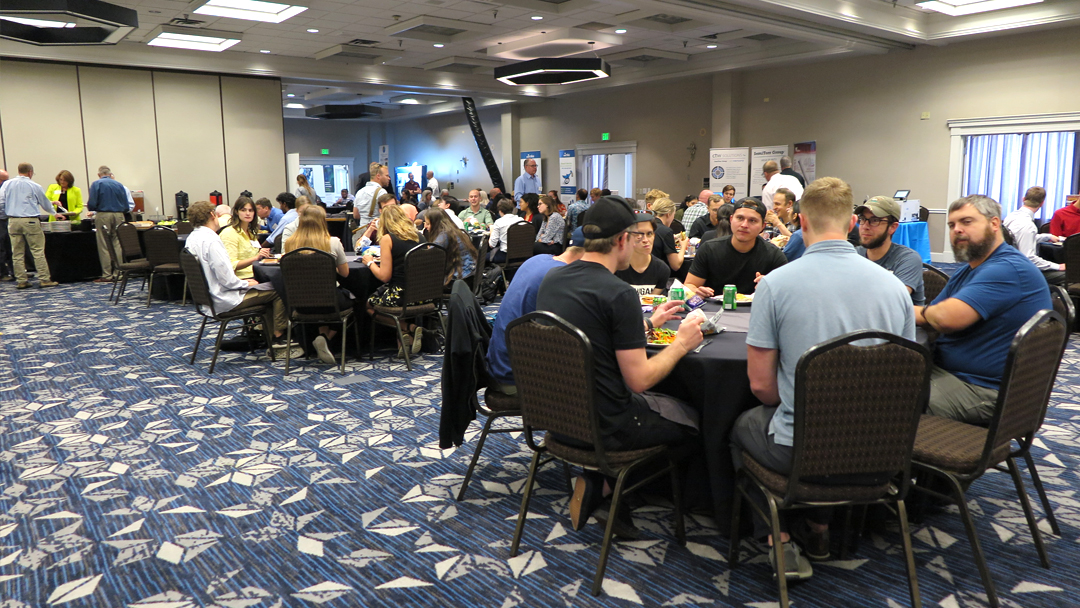
The Rocky Mountain Chapter of AVS is very pleased to announce that we will be having our Annual Symposium on Thursday, September 17, 2026. We will have vendor exhibits from 10 a.m. to 6 p.m. In the morning we have a free half-day class and talks (see schedule below). Lunch is free with registration. You can join us in the afternoon for more talks, a student poster session, and a networking hour with a selection of free food and beverages, plus prizes :-).
Please mark your calendar, register for free, and plan to attend. Updates will be posted below as planning progresses, so do check back.
Symposium
& Vendor Exhibit Sept 17
Student Posters
& Awards Sept 17
Short Courses Sept 16-18








2026 Annual Symposium & Equipment Exhibit Program
Hidden
9.00–9:40 a.m. | Broad-Beam Ion Sources: Varieties and Applications | Dr. Charles Rice, Kaufmann and Robinson
As nanotechnology continues to advance, ion beam processing has become increasingly necessary to meet stringent thin film quality standards or production rate requirements. Broad-beam ion sources come in many types and sizes, and identifying the ideal ion beam technology for a specific application is not always obvious. This presentation will discuss the different types of ion sources, examining their operational differences, capabilities, and applications. Attendees will gain a practical framework for evaluating when to use an ion source and how to select the right technology for their application.
9:40–10:10 a.m. | Femtosecond Laser ABLATION (fs-LA) - A New Approach to XPS Depth Profiling | Dr. James Lallo, Thermo Fisher Scientific
X-ray Photoelectron Spectroscopy (XPS) depth profiling is a widely used analytical technique for determining the chemical composition and chemical state distribution within thin films, coatings, multilayer structures, and engineered materials. Conventional XPS depth profiling relies on ion beam sputtering, which can induce significant chemical damage and preferential sputtering effects in many organic and inorganic materials, complicating the interpretation of depth-dependent chemical information.
The Thermo Scientific™ Hypulse™ XPS introduces femtosecond laser ablation as a complementary material removal technique for XPS depth profiling. By minimizing the chemical and structural modifications commonly associated with ion beam sputtering, femtosecond laser ablation enables the characterization of a broad range of challenging materials while providing access to significantly greater analysis depths and faster profiling rates.
This presentation will focus on the practical application of Hypulse XPS for the characterization of advanced materials relevant to energy storage, catalysis, and functional materials research. Examples will include depth-resolved analysis of battery materials such as graphite-silica composite anodes, lithium fluoride-containing interfaces, and coated NMC cathode particles, where preservation of chemical information is critical to understanding material performance. Additional case studies will demonstrate the analysis of complex transition metal oxides and large organometallic compounds that are difficult to characterize using conventional sputter-based depth profiling approaches.
These examples highlight how femtosecond laser ablation XPS expands the range of materials accessible to depth-resolved chemical analysis and provides new opportunities for investigating complex, heterogeneous materials systems. The capabilities of the Hypulse XPS platform and its potential impact on advanced materials characterization will be discussed.
10:10–10:50 a.m. | Coffee Break and Vendor Exhibits
10:50–11:30 a.m. | Betting on Hard Stuff: The Role of Entrepreneurialism in Our Energy Future | Prof. Jen Shafer, Colorado School of Mines
Our energy future will ask for more: more power, more reliably, built faster than we are used to. Electrification, reindustrialization, and the compute boom are driving demand up at the same time we want energy that is cleaner, cheaper, and more secure. Meeting that is hard in both senses of the word: technically difficult, and built on hardware, capital, and infrastructure rather than software. Carrying a new technology from a promising result to something the world deploys means crossing from the world of entrepreneurs, who originate and take risk, into the world of incumbents, who hold the scale and capital to build at the size the problem demands. That crossing is where most good ideas stall, and where researchers have more leverage than they tend to realize. This discussion will offer perspective for where academic research sits in this landscape and how it becomes impactful.
11:30 a.m.–12:10 p.m. | Transitioning the Energy Transition for the AI Boom | Dr. Steve Christensen, Xcel Energy
12:10–1:30 p.m. | Lunch and Vendor Exhibits
1:30–2:10 p.m. | Workforce Development for the Expanding Quantum Computing Industries in the Rocky Mountain Region | Timothy A. Gessert, Gessert Consulting LLC and Elevate Quantum
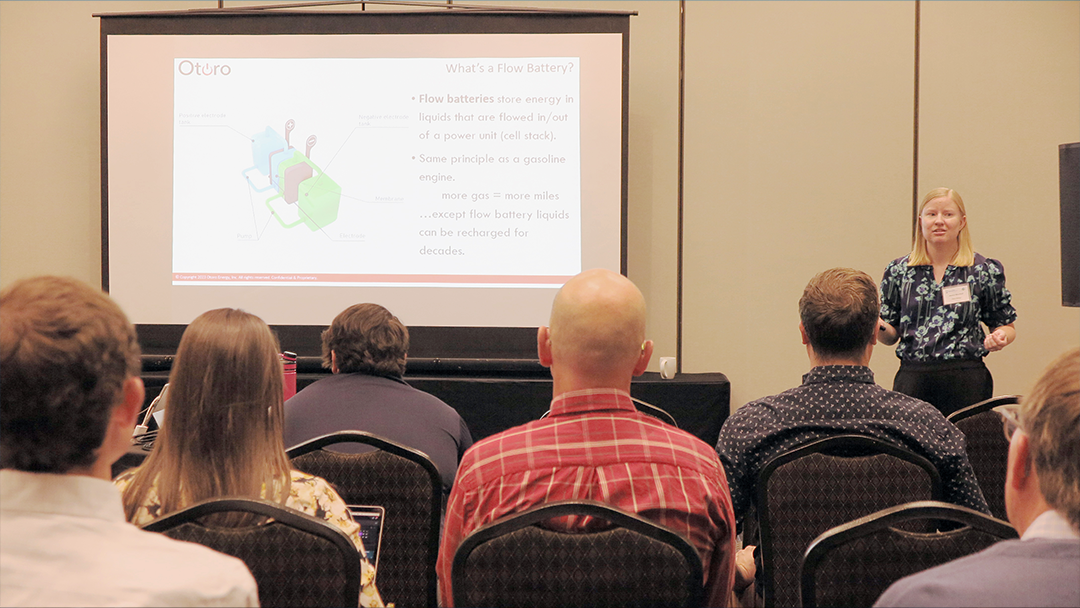
2:10–2:50 p.m.| Vanadium Redox Flow Batteries: Long Duration Energy Storage to Stabilize the Grid | Dr. Brian Berland, Storion Technologies
2:50–3:30 p.m.| Applications for Second-Life Vehicle Batteries and their Durability and Value | Dr. Paul Gasper, National Laboratory of the Rockies
Electric vehicles (EVs) are now at scale and the first EVs are retiring. The automotive recycling market has questions about how to derive the highest and best value from used EV batteries. Batteries retired from EVs may have another 10 years of life in them, depending on their chemistry, how old they are, and how the EV was driven and charged. Battery second use (2U) seeks to use retired EV batteries in stationary battery energy storage system applications and derives additional profit before the used EV batteries are recycled. This report summarizes the 2U business landscape, estimates 2U battery lifetime for six applications, and compares the residual value of used EV batteries to recycling.
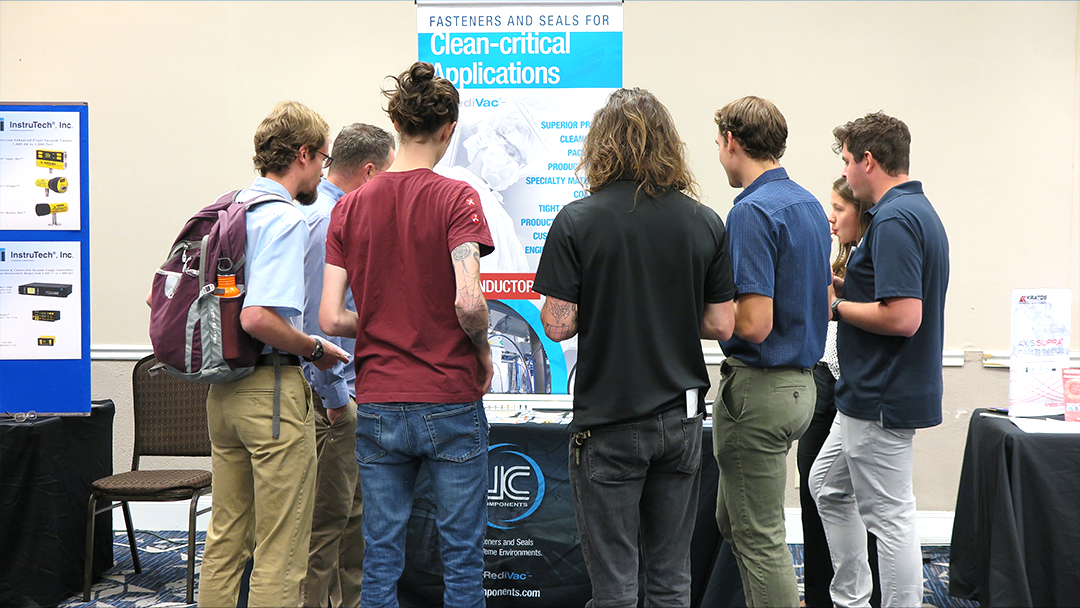
3:30–6:00 p.m. | Networking Hour, Vendor Exhibits, free snacks, beverages, and prizes!
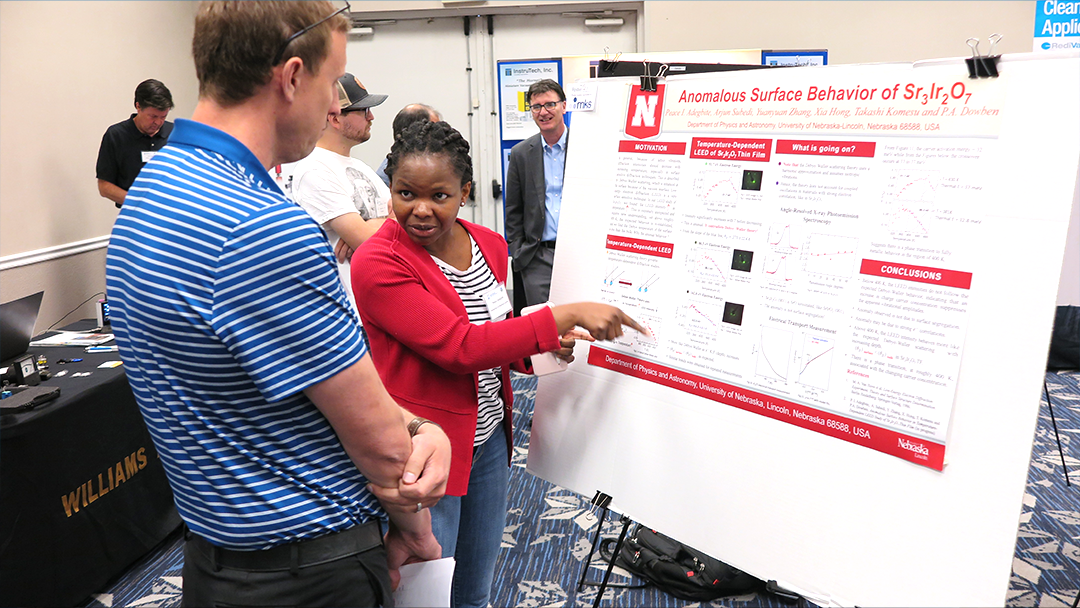
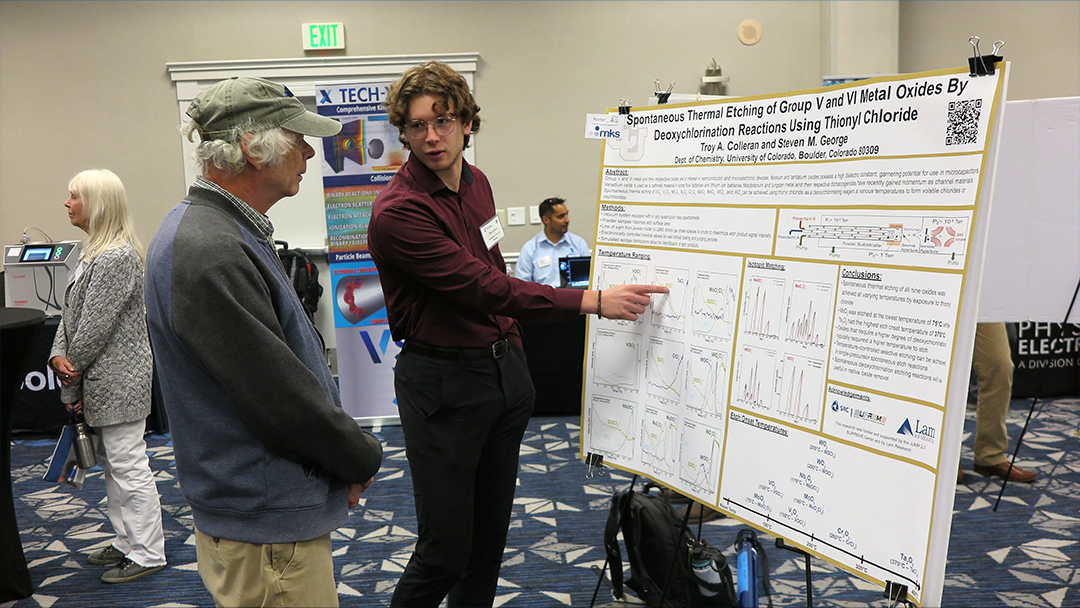
3:45–5:30 p.m. | Student Poster Session | Awards at 5:45 p.m.
Free Tutorial presented by JR Gaines of KJ Lesker Co
Thursday, September 17, 2026 | 9:00 AM – Noon | Free Registration Required
Arrive at 8:45 AM
A Brief Introduction to Vacuum Science and System Design
Class time: 3 hours in the morning | This class is designed to introduce the student to basic concepts in vacuum technology and how they apply to system design and operation. Subjects covered include gas/solid and gas/gas interactions in vacuum, gas flow regimes, characteristics of gas composition at various molecular densities, vacuum pumps, pressure sensors, leak detection, vacuum hygiene, chamber manufacturing, system modeling, and the impact of fundamental design decisions and operating practices on vacuum system performance. It is intended for curious individuals who are new to vacuum without any formal training on the topic. It also provides a review of fundamentals for experienced vacuum technologists.
Free Tutorials: LabVIEW
Thursday, September 17, 2026 | 3:30-5:00 PM (1:30-3:00 PM Option Now Full) | Free Registration Required
A Hands-On Session with LabVIEW
Class time: 1.5 hours in the afternoon | Are you new to LabVIEW, or looking to sharpen your skills? Join us for a FREE, hands-on session with LabVIEW as we cover the basics, review core tools, discuss certifications, and get valuable tips from experts on your application! Join us for our upcoming training session featuring National Instruments (NI) data acquisition hardware to enhance your capabilities with LabVIEW and network with other users in your area.
Short Course Schedule
Wednesday-Friday, September 16-18, 2026
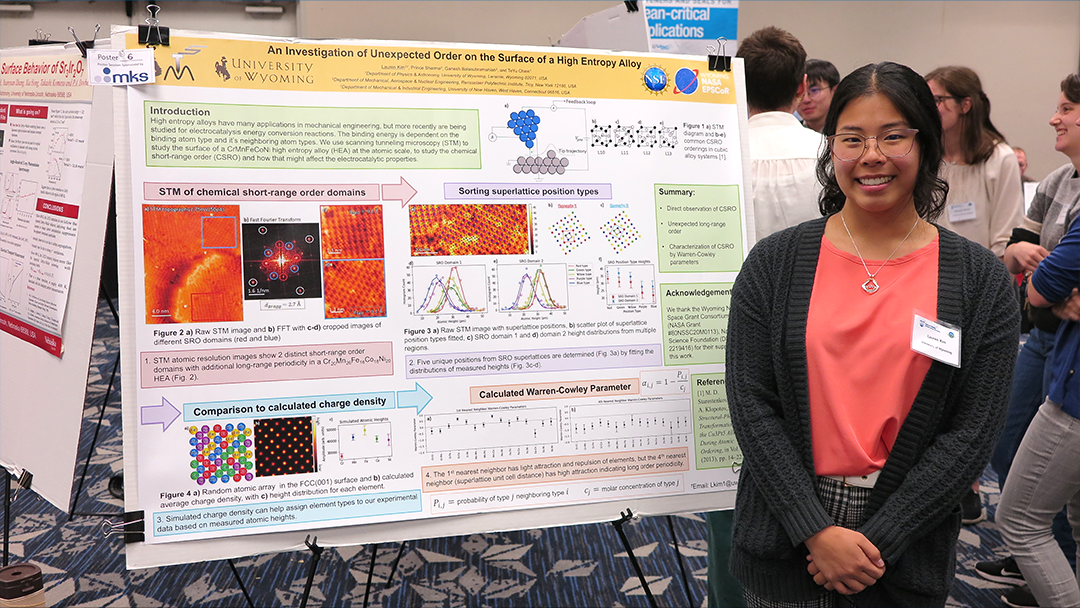
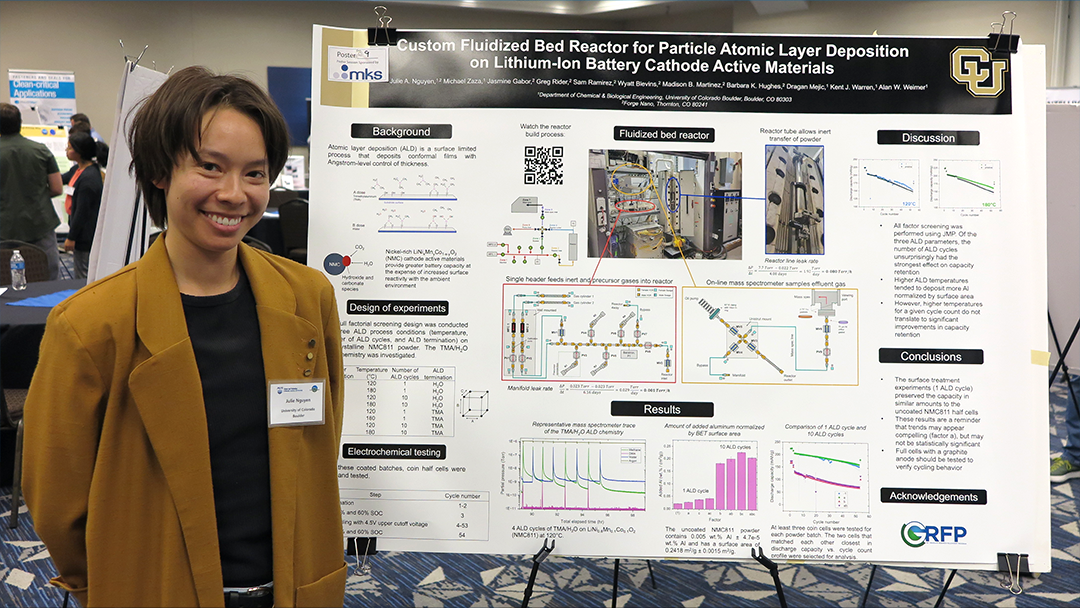
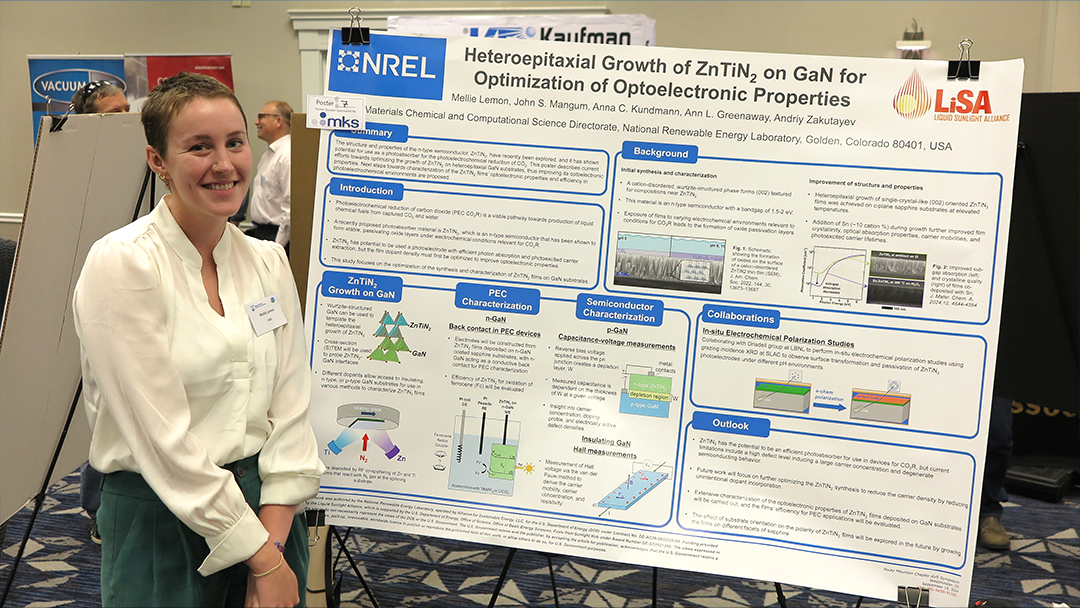
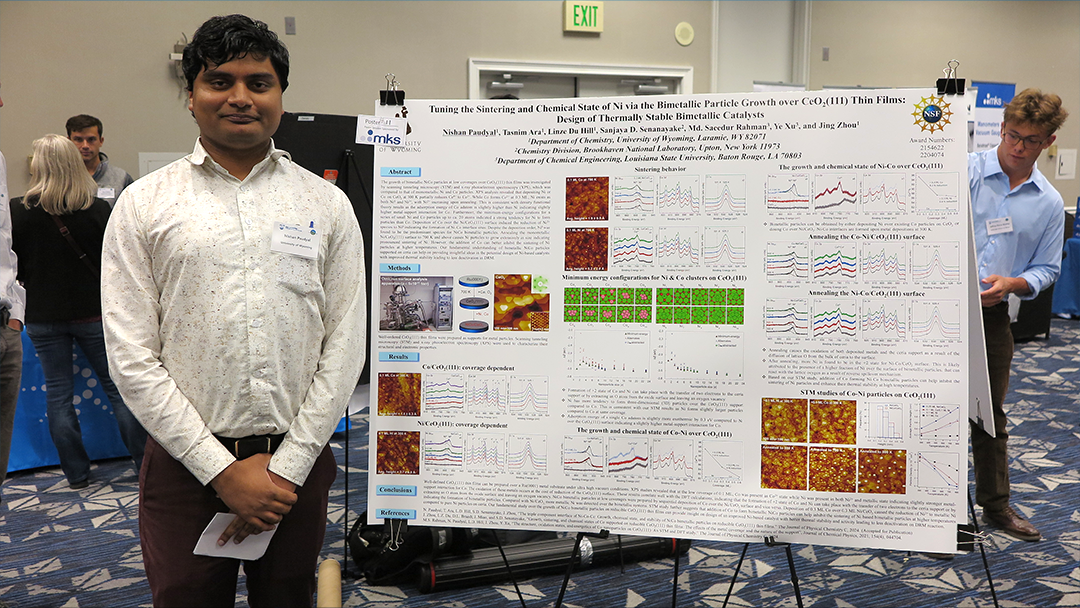
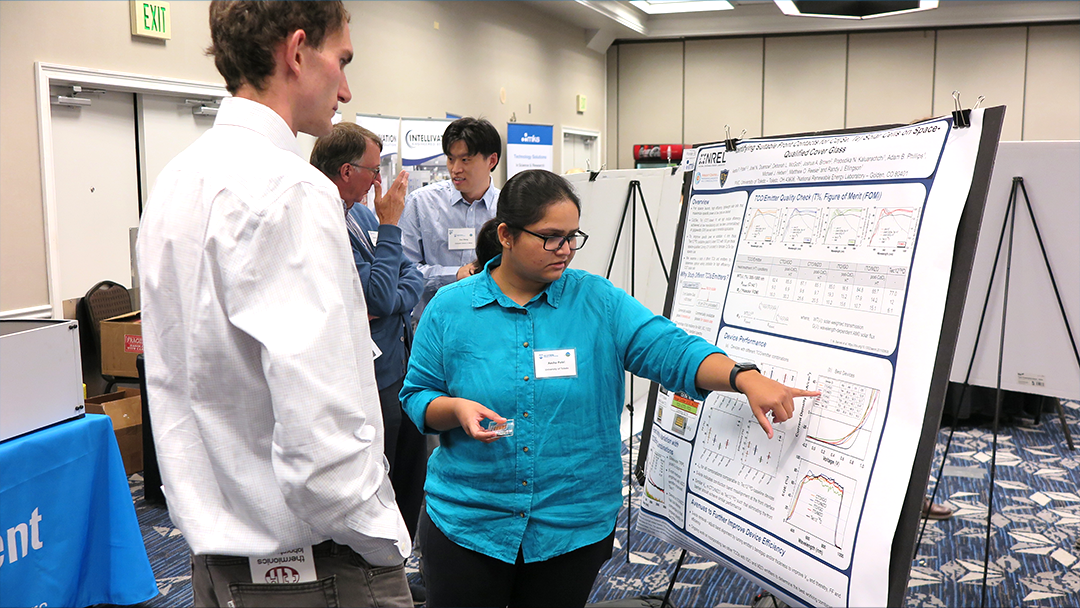
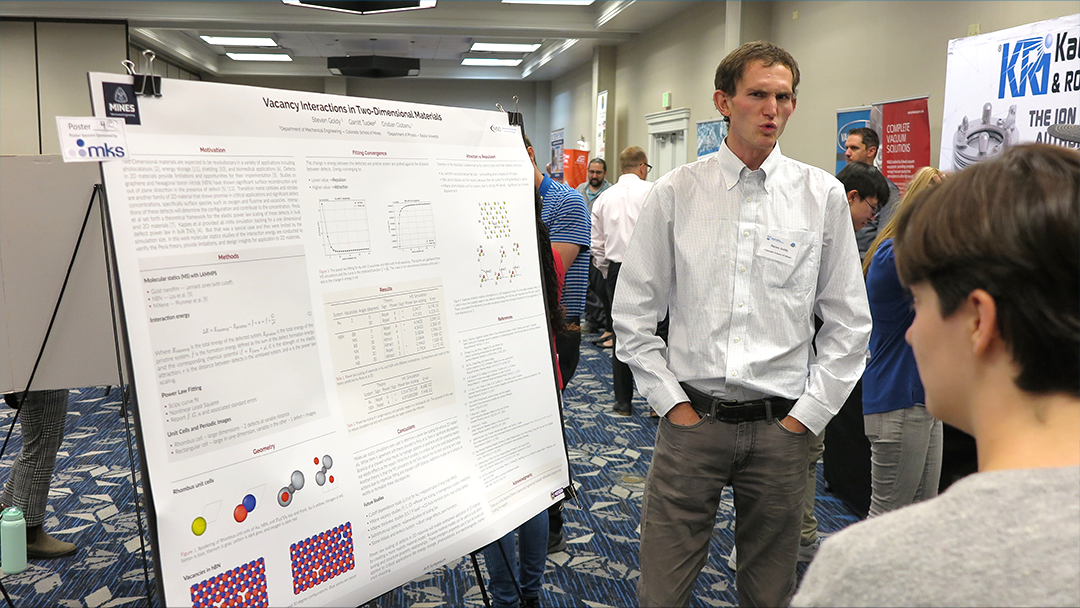
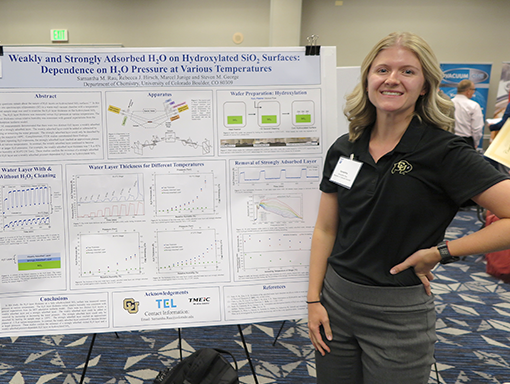
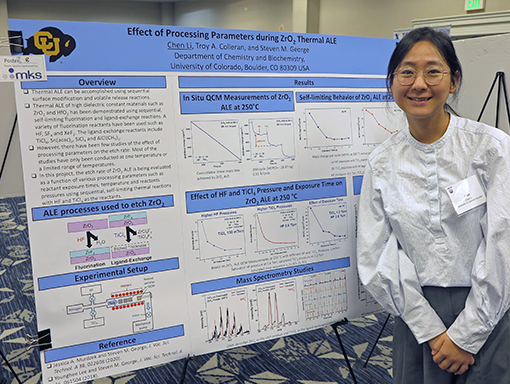
Student Poster Session: CALL FOR PAPERS — You could win up to $500!
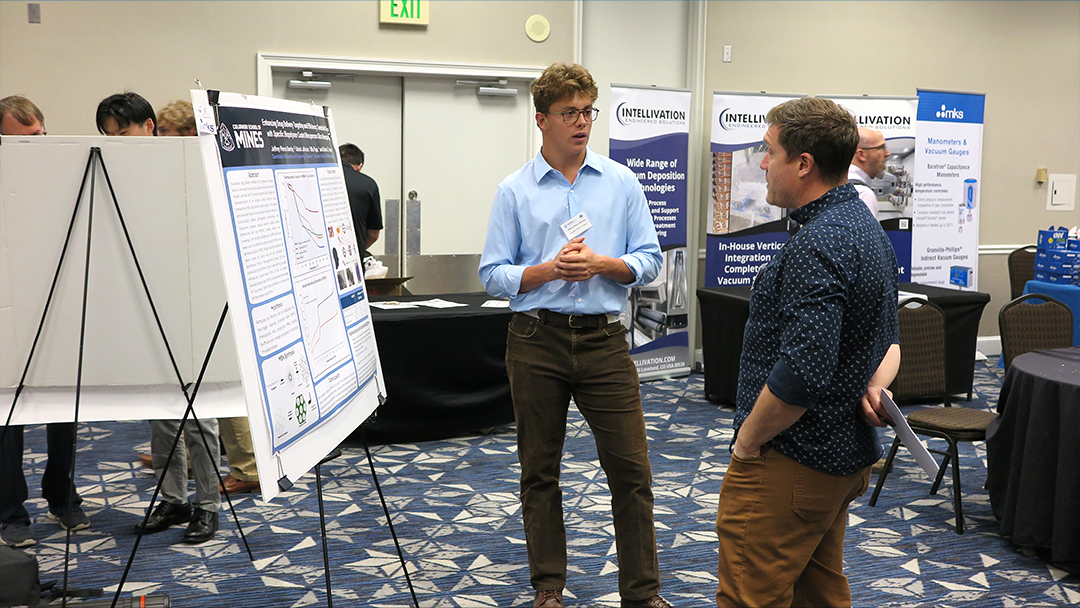
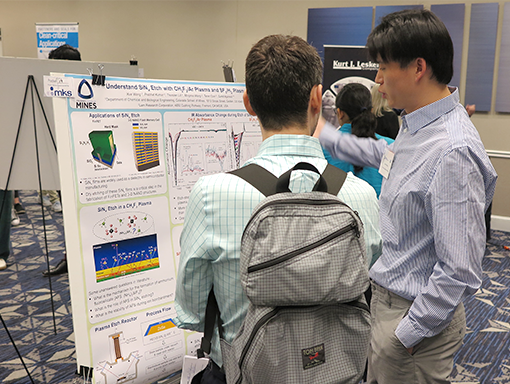
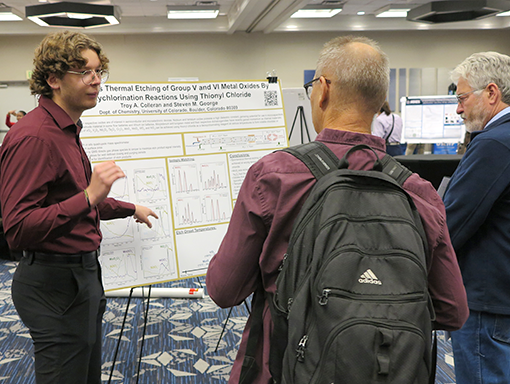
Abstracts are requested for poster presentations. The poster session is concurrent with the afternoon happy hour and is fun opportunity to discuss your work. Posters will be judged and three poster prizes totaling $1,000 dollars will be awarded ($500, $300, and $200 for top three posters) plus free door prizes and student travel assistance is available.
To submit an abstract, please download the abstract template, email it to abstracts@rmcavs.org or by clicking on the submit abstracts button below, and register for free. Submit your abstract on or before the deadline of September 13, 2026. Maximum poster size is 48 inches wide by 36 inches tall.
Free Registration
Symposium, Vendor Exhibit, and Poster Session are all free and include lunch. Free registration required.
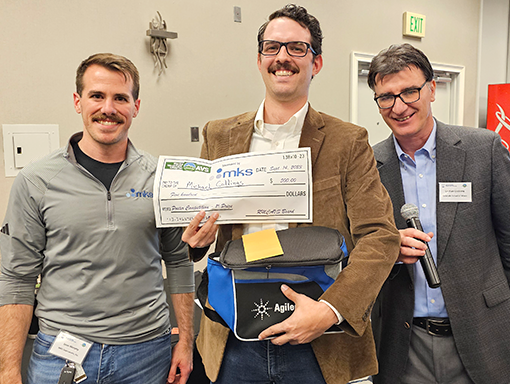
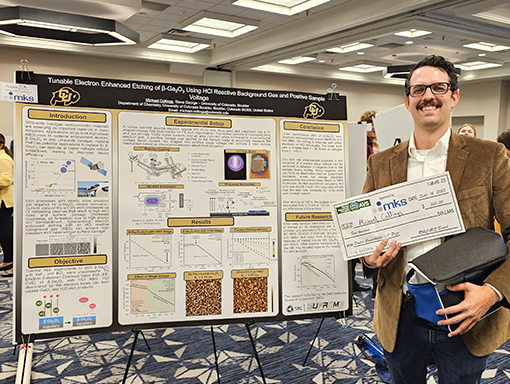
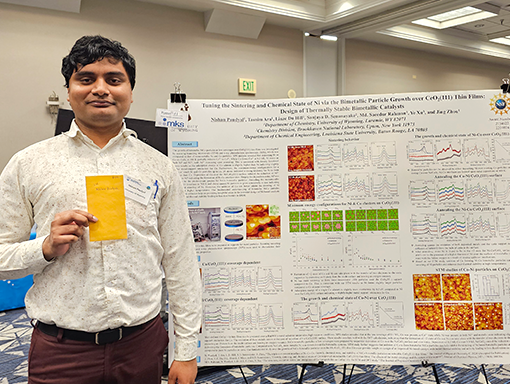
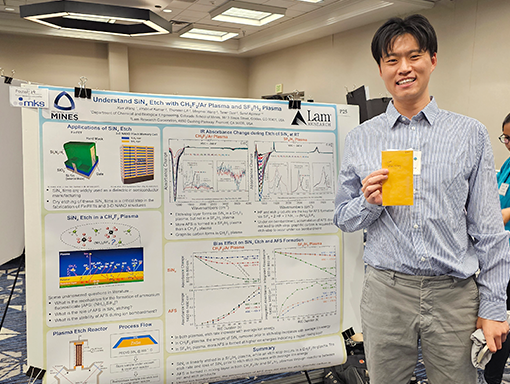
Student Awards Sponsored by MKS!
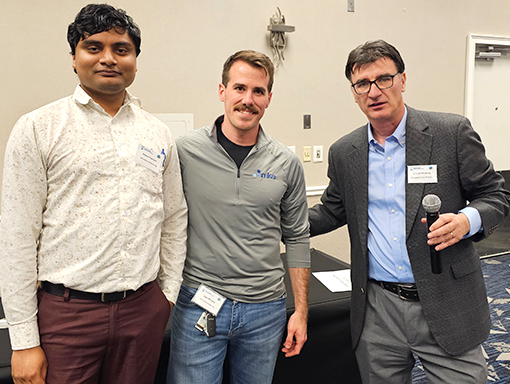
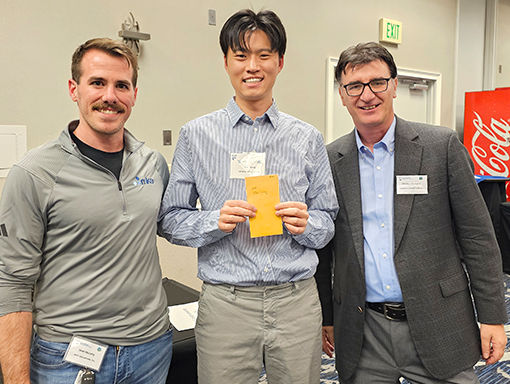
Student Awards will be presented for best posters.
2025 poster prizes are sponsored by MKS.
SPONSORSHIP
The Rocky Mountain Chapter of AVS welcomes you to support our activities — check out the benefits of sponsorship!
HOTEL INFORMATION
Please reserve your room using our group rate
Help the Rocky Mountain Chapter contain the costs of our Symposium by staying in rooms from our block at:
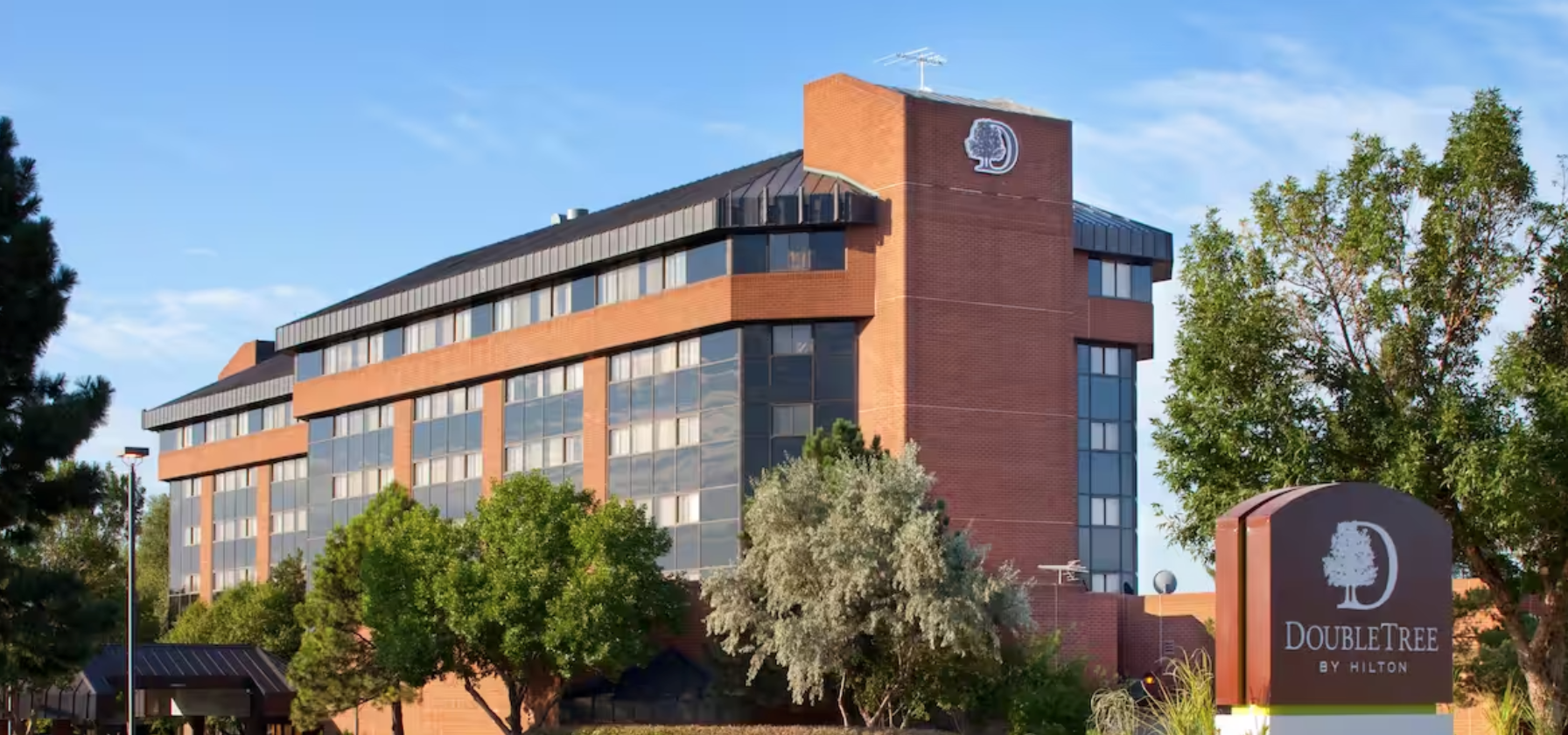
DoubleTree by Hilton Hotel – Westminster
8773 Yates Drive, Westminster, CO 80031-3680
The Rocky Mountain Chapter is required to pay to the DoubleTree hotel a penalty for non-used rooms in the RMC-AVS block. Failure to meet our requirements could noticeably increase the cost of putting on our event.
Group Rate Available Tuesday Sept 15 – Friday Sept 18: Book by Sept 2
Rooms from the room block are a good deal. The Rocky Mountain Chapter room rate is $125.00, much reduced over the comparable room/rate available from the hotel’s website.
Booking
- Call 303-262-5073, talk with Diandra Hawkins, and mention the group code AVS and group name: American Vacuum Society — Rocky Mountain Chapter
- Any questions? Please email Diandra Hawkins, Director of Sales and Marketing, DoubleTree by Hilton Denver-Westminster at Diandra.Hawkins@Hilton.com.
Thank you for supporting the Rocky Mountain Chapter by staying in rooms from our block.